The Lobby Is the Program: In Defense of Missing Sessions on Purpose
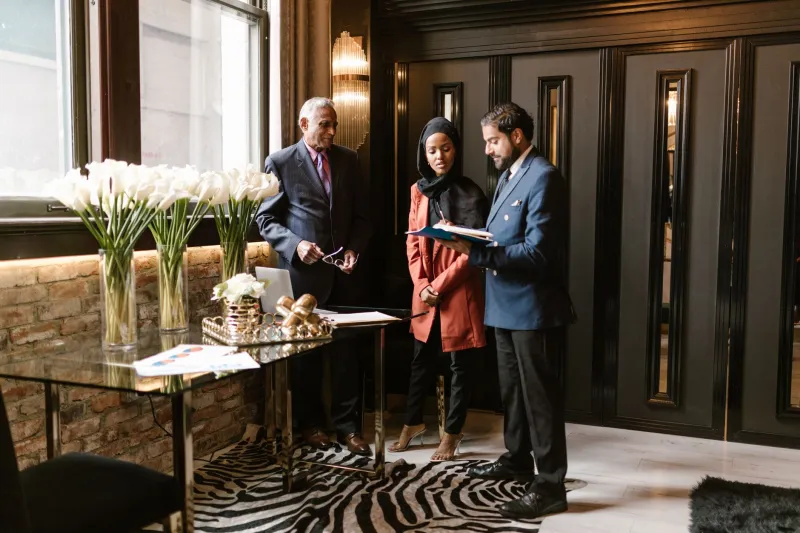
Ask a conference veteran to name the session that changed their practice, and watch what happens. They pause. They squint at the ceiling. Then, more often than not, they tell you about a conversation that happened somewhere else entirely — a lobby couch, a hotel bar, a slow elevator to the twelfth floor.
EduWeb Conference spoke with more than two dozen longtime attendees from districts across the country, and the pattern was striking. Nearly everyone could name a scheduled session they regretted attending. Almost no one regretted the time they skipped one.
The Sessions They Wish They'd Missed
The regrets cluster into familiar categories. There is the session that turned out to be a forty-minute product demonstration wearing a research title. There is the session whose description promised a framework and delivered a slide deck read aloud. And there is the session the attendee was simply too tired to absorb — the 4:30 p.m. slot on day two, when the badge is heavy and the ballroom air has done its work.
A curriculum director from a suburban Ohio district put it plainly: "I sat through ninety minutes on a learning management system I will never evaluate. Two rows behind me, two teachers from a district facing the exact rollout I'm about to face were having the conversation I needed. I could hear fragments of it. I stayed in my seat like a good attendee. That was the mistake."
Where the Real Learning Hides
The unstructured moments have a structure of their own, once you learn to see it. The affiliate meetups that convene in lobby lounges — state organizations, special interest groups, informal affinity gatherings — run on conversation rather than slides. The hallway debrief after a provocative keynote, where the speaker's boldest claim gets stress-tested by people who will actually have to implement it. The lunch table where a seating decision determines whether you hear about a job opening, a pilot program, or a cautionary tale.
Researchers who study professional learning have long noted that the most durable takeaways from conferences tend to be relational: the colleague you can email in November, the contact who becomes a collaborator. Content fades. The person who challenged your thinking does not. Yet conference schedules are built as if the opposite were true, packing every available hour with programming and treating the gaps as logistical waste.
A Working Method for Strategic Absence
This is not an argument for skipping everything. It is an argument for skipping deliberately. Veterans we interviewed described variations on a common method:
Choose one anchor session per day — the one you would genuinely regret missing — and protect it. Let everything else remain negotiable.
Schedule your gaps. Block an hour between the morning keynote and your first breakout, and treat it as an appointment. Walk the exhibit hall without a mission. Sit somewhere with sightlines to a lot of foot traffic.
Follow the debrief. If a session ends early or disappoints, leave. The conversation in the corridor outside is frequently better, and unlike the session, it has no attendance sheet.
Say yes to the lobby invitation. The informal meetup with no program listing is often where the candid talk happens — the budget realities, the implementation failures, the things nobody puts on a slide.
What Organizers Could Learn
Some conferences are already adapting. A growing number build explicit white space into their schedules — extended breaks, unprogrammed lounges, structured informal formats like speed networking or topic tables that borrow the energy of a hallway without leaving it to chance. Others end each day early enough that attendees can convene on their own without missing content they paid for.
The instinct behind a packed agenda is understandable. Attendees want value; value looks like volume. But volume is not the same as return. The educator who leaves a conference with three usable ideas and five new colleagues has outperformed the one who left with forty pages of notes and no one to call.
So the next time you find yourself torn between a session title that underwhelms and a lobby conversation that is just getting good, remember that you are an adult making a professional judgment, not a student cutting class. The program is a suggestion. The learning is wherever you find it — and sometimes it is on the couch by the fireplace, third floor, past the escalator.