The Same Five Faces, Year After Year: Rethinking Who Gets to Go

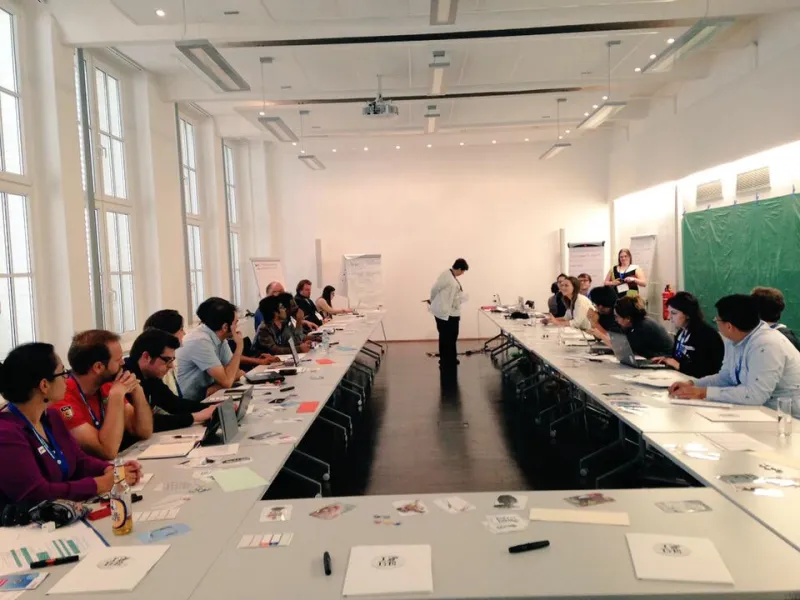
Photo: diverse group of teachers at education conference audience, via pavilionelt.com
Every district has them. The conference regulars. The same assistant principal, the same instructional coach, the same two department chairs who appear, badge and tote bag in hand, at every regional and national edtech gathering on the calendar.
Ask how it happened and you'll hear reasonable explanations: they wrote the strongest proposals, they volunteer, they know how to navigate the reimbursement paperwork. All true. But over time, a pattern hardens into policy by default — and the default has a cost that rarely appears on any budget line.
The Arithmetic of Exclusion
Consider a mid-sized district with a professional development travel budget of $18,000 a year. A single national conference — registration, flights, three hotel nights, meals — can run $2,500 or more. That budget supports roughly seven trips. If the same five people absorb most of them annually, a teacher entering their eighth year may never have attended a single out-of-district conference.
This is not a hypothetical grievance. It is a quiet equity problem, and it compounds. Regulars build national networks, learn about grant opportunities first, return with pilot offers and speaker invitations. Meanwhile, the teachers most likely to benefit from exposure to new tools — early-career educators still forming their practice — stay home. In a profession where nearly half of new teachers leave within five years, denying them visibility and momentum seems like a peculiar way to build retention.
The students notice too, even if they never hear the word "keynote." Innovation delivered secondhand through one colleague's slideshow rarely lands with the force of firsthand discovery.
What Rotation Actually Looks Like
A handful of districts have stopped treating conference attendance as an informal perk and started treating it as a scheduled resource.
One suburban district outside Columbus adopted what it calls a "first-refusal rotation": each spring, every school building submits a ranked list of staff who have never attended a major conference. Delegates are drawn from that list before anyone with recent travel history is considered. Veterans aren't banned — they're simply sequenced behind colleagues still waiting for a turn.
A rural consortium in the Dakotas went further, imposing a three-year term limit on conference travel: after three funded trips in a rolling window, an educator moves to the back of the queue. Predictably, the policy's loudest opponents were the people it affected most. One veteran instructional technology director, who had attended the same national event eleven consecutive years, called the rule "punishing expertise."
Two years in, her assessment had softened. The district's conference debrief meetings — once a five-minute recap because everyone in the room had seen the same sessions — had become genuine knowledge exchanges. New attendees brought back questions the veterans had stopped asking.
The Resistance Is Real, and Understandable
Administrators considering rotation should not expect gratitude. The objections follow a familiar script:
- **"We send our best people."