Room 204 Changes Everything: The Hidden Politics of Where Your Session Lands
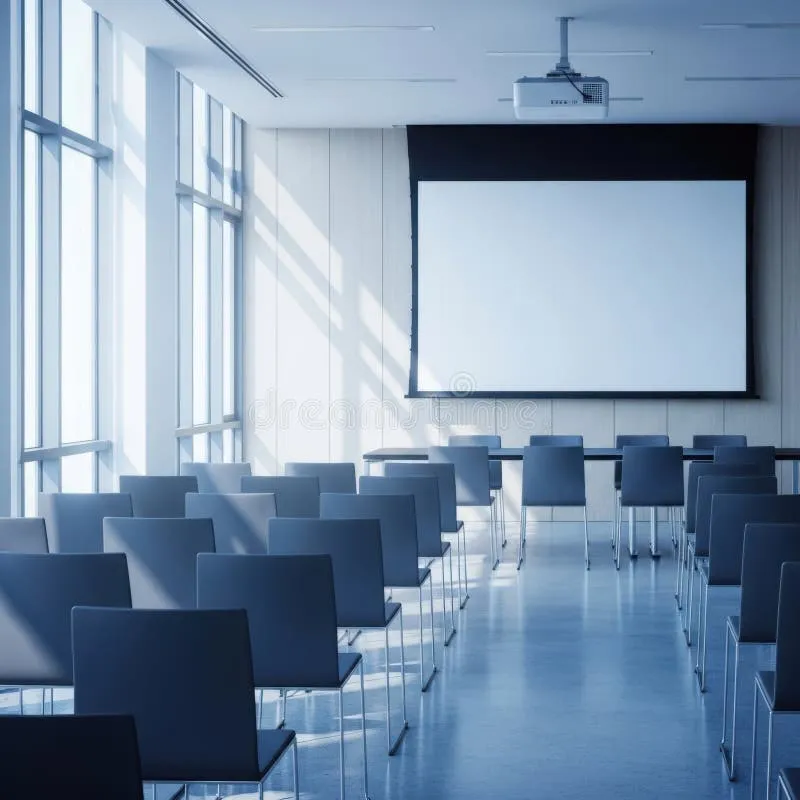
Photo: empty conference breakout room with rows of chairs and projector screen, via thumbs.dreamstime.com
Every conference program looks like a neutral list: titles, times, rooms. But ask any seasoned organizer what happens behind that grid, and they'll tell you the truth — the room assignment is one of the most consequential, least examined decisions in the entire event planning process.
A brilliant session in a cramped breakout room on the third floor of a hotel annex can draw fifteen people. The same session, scheduled in a mid-capacity ballroom adjacent to the main concourse, might pack two hundred. The content didn't change. The room did.
What Organizers Are Actually Solving For
Conference logistics teams juggle a puzzle with far more constraints than attendees ever see. Capacity is the obvious one: a hands-on workshop capped at thirty can't go in a 400-seat auditorium, and a plenary session can't hide in a classroom built for seminars.
But capacity is only the beginning. Audiovisual capabilities vary wildly across venue spaces. Some rooms have ceiling-mounted projectors, integrated sound, and technician support on call. Others have a cart with a speaker that crackles. A presenter planning live demonstrations, breakout discussions, or interactive polling needs equipment the room may simply not have.
Then there's geography. Rooms near registration, restrooms, and the exhibit hall enjoy constant foot traffic. Rooms at the end of a long corridor, past the catering staging area, require deliberate effort to find. Organizers also stagger room turnover — a session ending at 11:45 in one space can't be followed by a 1:00 session that needs an elaborate setup, because the reset crew needs time.
Finally, there's traffic flow. Put two popular sessions directly across from each other at the same time, and you'll create hallway bottlenecks that frustrate everyone. Veteran schedulers space out expected crowd-drawers to keep corridors moving.
The Sequencing Problem Nobody Talks About
Here's what surprises first-time presenters: room assignments are often made before anyone knows how popular a session will be. Organizers work from proposal titles, session formats, and — critically — the presenter's own projected attendance.
That projection is where many sessions are quietly lost. A first-time presenter, worried about seeming presumptuous, estimates thirty attendees. The organizer, honoring that estimate, books a room for forty. On the day, word of mouth spreads, a Twitter thread picks up steam, and eighty people show up. Twenty sit on the floor. Forty more walk away. The post-session evaluations mention "overcrowded" more often than the content itself.
The reverse happens too: a modest session placed in a vast ballroom looks empty in photographs and in the room itself, and emptiness is contagious. Attendees drifting past a half-filled room assume the session isn't worth their time.
How Presenters Can Advocate for the Right Room
The good news is that room assignment is not a lottery. It's a negotiation, and presenters who understand the process can influence it.
Submit an honest, specific attendance estimate. Don't lowball out of humility. If your session on AI grading tools addresses a topic with obvious momentum, say so: "This topic drew standing-room crowds at two regional conferences this spring; I'd anticipate 75–100 attendees."
Match your room ask to your format. A panel needs theater seating. A hands-on workshop needs tables, power strips, and room for facilitators to circulate. A discussion circle needs chairs that move. State these needs explicitly in your proposal — organizers genuinely want this information and rarely get it.
Flag your AV requirements early. If your session lives or dies on reliable Wi-Fi, dual displays, or a document camera, say so at submission, not at setup. Late requests get the leftover cart.
Ask about placement — politely. A simple email two weeks before the event is entirely appropriate: "I'm expecting a strong turnout and wanted to check whether the room could be revisited if registrations trend high." Organizers would rather move you in advance than manage an overflow crisis at noon.
Build in a backup plan. Even great advocacy fails sometimes. Know whether your session can run in a second format — a fishbowl discussion works in a hallway overflow area; a lecture doesn't. Have a QR code ready to capture emails from attendees who can't get in, so you can share slides and follow up.
What Attendees Should Notice, Too
This cuts both ways. If you're building your personal conference schedule, resist judging sessions by room size alone. Some of the richest conversations at any event happen in small rooms where everyone can see each other's faces. A packed ballroom tells you a topic is hot; an intimate breakout tells you the facilitator will probably learn your name.
The Room Is Part of the Message
Conferences spend months curating keynotes and refining session catalogs, then sometimes assign rooms in a single frantic afternoon. The organizers we spoke with all said the same thing: they want presenters to push back. Every accurate attendance estimate, every early AV request, every polite placement inquiry makes their scheduling spreadsheet better — and makes it more likely that the session that deserves an audience actually gets one.
The next time a session changes your thinking, spare a thought for Room 204. Somebody chose it. Next time, it might be your job to make the case for something better.