Hand Them the Mic: Lessons From Districts Where Students Run the EdTech Show

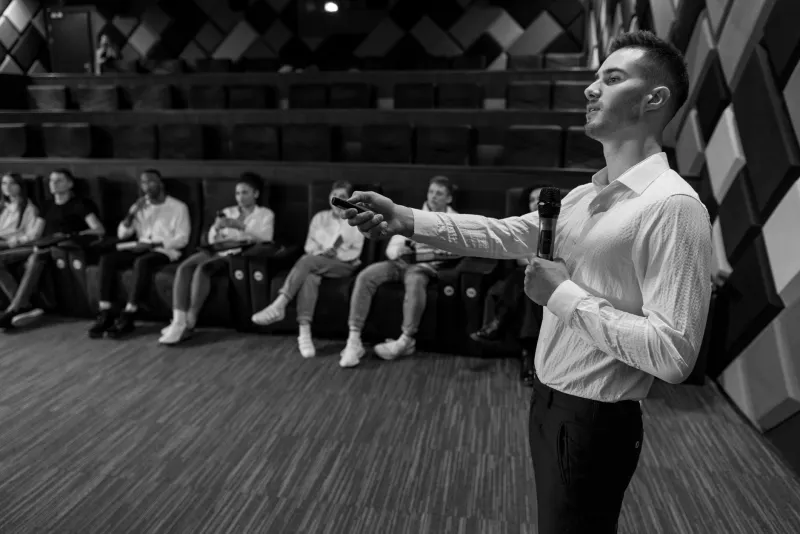
Photo by Photo by Fajar Herlambang STUDIO on Unsplash on Unsplash
When the planning committee for a suburban Ohio district's annual technology showcase met last fall, one detail distinguished it from hundreds of similar gatherings across the country: nearly half the seats at the table belonged to high school students. They chose the session tracks. They vetted the vendors. One of them delivered the opening keynote.
This is not a gimmick, and it is not rare anymore. From California to Massachusetts, a quiet experiment is unfolding in which students are not merely the subjects of edtech conversations — they are the ones leading them. And the adults who attend are discovering that the most valuable session of the day may be the one run by a sixteen-year-old.
The Logistics Are Harder Than They Look
Handing students a conference is not the same as handing them a poster board. Districts that have done it well describe a deliberate scaffolding process that begins months in advance.
A common model pairs each student organizer with a staff mentor who handles contracts, insurance, and vendor negotiations — the unglamorous machinery students cannot legally touch — while students own the programming itself. That division of labor matters. When adults retain control of the session lineup 'for safety,' the event reverts to being an adult conference with student decoration.
Scheduling presents its own puzzle. Most student organizers are balancing AP coursework, jobs, and activities, so successful programs treat conference planning like a for-credit elective or an internship rather than an extracurricular afterthought. One Michigan district embeds its student conference team directly into a digital media course, giving the work academic weight and guaranteeing time on the calendar.
The vendor floor requires its own negotiation. Students in several districts review product demonstrations before approving which companies may exhibit, applying a blunt question that adult committees often dance around: would a classmate actually use this, or is it shelfware with a dashboard?
What Students Actually Gain
The professional growth is the part that surprises skeptics. Planning a conference demands skills that no worksheet replicates: cold-emailing a superintendent's office, managing a run-of-show document, fielding a hostile question during a live panel.
Students who have keynoted describe the experience in strikingly adult terms. One junior from a Texas district said preparing her twenty-minute talk on accessibility tools 'was the first time school asked me to have an opinion and defend it.' Her mentor noted that the revision cycle — drafts, feedback, rehearsal — mirrored the capstone projects districts have spent a decade trying to engineer.
There is also a portfolio effect. For students considering careers in instructional design, UX, or education itself, a conference on the résumé functions as proof of work in a way grades cannot. Several state university education programs have begun asking about it in admissions interviews.
What the Adults Learn
The value for attendees is less sentimental and more diagnostic. Teachers spend professional development days hearing about student engagement from consultants and authors; they spend far less time hearing it from students who did not choose to be in the room.
Sessions led by students tend to cut through the vocabulary that accumulates around educational technology. Where a vendor demo promises 'seamless personalized learning pathways,' a student panel will explain which notification settings they mute and which learning management features they abandon by October. That specificity is difficult to source anywhere else.
Administrators report a second, subtler benefit: student-run sessions expose the gap between intended and actual technology use. A district may believe its one-to-one device program is transformational; a student-led audit session may reveal that the devices mostly serve as test proctors. Uncomfortable findings, but exactly the kind that drive better procurement decisions.
The Pitfalls Worth Naming
Honesty requires acknowledging the failure modes. Tokenism is the most common: districts that stage a single student panel and call it student-led. Educators who have studied these events recommend a simple litmus test — if the students went home, would the conference look different? If not, the model is decorative.
Equity of access is another risk. Students with transportation, flexible schedules, and encouraging parents are more likely to volunteer for leadership roles. Districts doing this well recruit deliberately across schools and grade levels, and some stipend the work, treating organizers as they would any event contractor.
Finally, there is the vulnerability question. Public speaking to a room of adults who grade you for a living is a real exposure. Mentors report that rehearsal, opt-out alternatives, and clear ground rules about audience behavior are non-negotiable.
A Modest Proposal for Conference Season
For the many educators already planning spring and summer events, the student-led model need not be all or nothing. A single strand of student-run sessions is a low-risk pilot. A student-co-designed call for proposals is a second step. A student keynote is the milestone that changes how an entire event feels.
The deeper argument is about expertise. If conferences exist to shorten the distance between knowledge and practice, then the people closest to the practice deserve more than a testimonial video. Handing them the mic — and the planning clipboard that goes with it — turns a professional development day into something closer to what it always claimed to be.