Every Swipe Remembered: The Attendance Record You Never Knew You Were Building
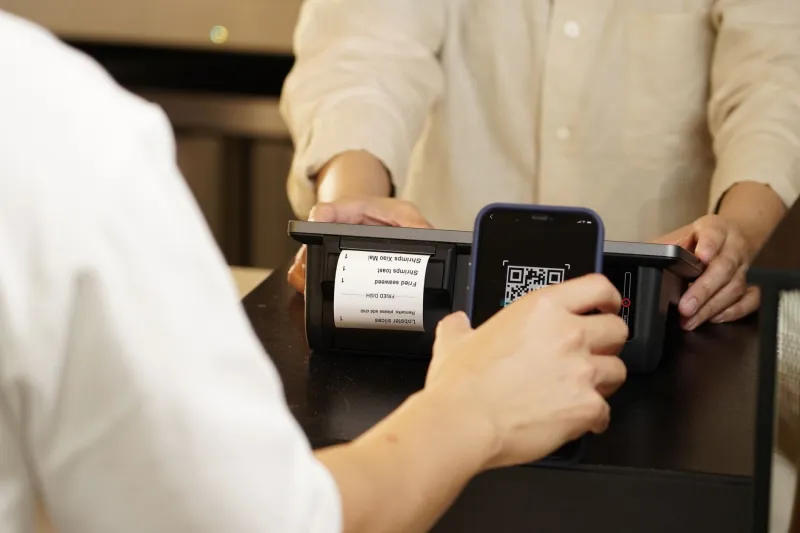
The typical attendee at a large American education technology conference swipes, taps, or scans a badge between fifteen and twenty times over three days. Entry to the exhibit hall. Check-in at a breakout session. A coffee sponsorship activation. A raffle drawing at a vendor booth. Each interaction feels trivial in the moment — a beep, a green light, a smile from a volunteer holding a tablet.
Cumulatively, those beeps form something far more consequential: a minute-by-minute record of your professional interests, your movement patterns, and your attention. And in most cases, you agreed to let someone else keep it.
What the Scan Log Actually Shows
Session-level attendance data is more granular than most organizers publicly acknowledge. Depending on the platform a conference uses — and several major event software providers serve the K-12 and higher ed markets — organizers can see not just who entered a room, but when they arrived, whether they left early, and how long they lingered afterward.
The patterns are revealing. Post-lunch sessions on the final day routinely see attendance drop by a third or more, even when the content is strong. Sessions with hands-on components retain attendees at noticeably higher rates than lecture formats. And a small but consistent share of registrants — industry estimates often hover around ten to fifteen percent — never attend a single tracked session at all, treating the conference primarily as a networking venue.
None of this is inherently troubling. Aggregate data helps organizers schedule better, right-size rooms, and justify programming decisions to boards and sponsors. The questions begin when the data stops being aggregate.
Follow the Data Trail
Ask who owns attendance records and you will usually get a shrug. The answer is embedded in the registration terms most attendees accept without reading: in many cases, the association or conference organizer owns the data, but sponsors and exhibitors can purchase or be granted access to slices of it.
The most common transaction is lead retrieval. When you scan into a booth or allow a vendor to badge you, that vendor typically receives your name, title, institution, and email — sometimes instantly. Less common, but increasingly available at premium sponsorship tiers, are session-level reports: which registrants attended a session on a topic adjacent to a vendor's product, for example, packaged as a marketing audience.
A 2023 survey of state and regional edtech associations found that a majority sold or shared some form of attendee data with sponsors, most frequently contact information but occasionally engagement scores or session interest categories. Few published this practice prominently.
For educators, the stakes are specific. Your attendance at a session titled something like "AI Assessment Tools for Special Populations" tells a vendor not just that you exist, but what you are likely shopping for, what budget category you influence, and when your district's purchasing cycle might be open. That is commercially valuable information you generated by walking into a room.
The Ghost Sessions
There is a quieter data problem, too: sessions that appear in the program but attract almost no one, and sessions that appear in the program but, according to multiple presenters EduWeb Conference spoke with, were never meaningfully staffed or tracked at all. Volunteers juggling room counts by hand. QR codes that lead nowhere. Rooms where the scanner died an hour in.
The result is a record with gaps and artifacts — data that looks authoritative but reflects scanner placement and volunteer staffing as much as actual learning. Decisions about which strands to expand, which speakers to reinvite, and which topics to cut are sometimes made on the basis of numbers that would not survive an audit.
What to Ask Before You Scan
Attendees are not powerless. A short checklist, adapted from privacy advocates who work with education associations:
- Read the registration privacy policy before checkout, not after. Look specifically for language about sponsors, exhibitors, and "service providers."
- Ask whether session check-ins are optional. At many conferences they are; at some, they are the only way to earn continuing education credit, which turns a data question into a professional requirement.
- Use a dedicated professional email for conference registration so vendor outreach lands somewhere you can ignore.
- Request your own record. A handful of associations, when asked, will share what they hold on you. The response itself is informative.
- Opt out where the form allows it. It is usually a checkbox, not a negotiation.
The Case for Honest Disclosure
None of this argues that conferences should stop collecting data. Thoughtful use of attendance analytics genuinely improves events — the sessions educators rave about are often scheduled there because last year's data showed demand. The argument is for symmetry: attendees should understand the transaction as clearly as sponsors do.
Some organizations are moving in that direction. A small number of associations now publish plain-language data statements alongside their programs, disclosing what is collected, who sees it, and how long it is retained. Attendees notice. In an era when districts scrutinize every vendor's student data practices, it is a reasonable expectation that the adults in the room deserve the same courtesy.
The next time a volunteer waves a scanner at your lanyard, you are not just entering a session. You are adding a line to a file. It is worth knowing who is holding the pen.